
Introduction
For millions of families in Bangladesh, government support programs play a major role in improving daily life. Rising living costs, healthcare expenses, and food prices have made financial assistance programs increasingly important for low and middle-income households. Among these initiatives, the Family Card program has become one of the most discussed topics among citizens looking for support and security.
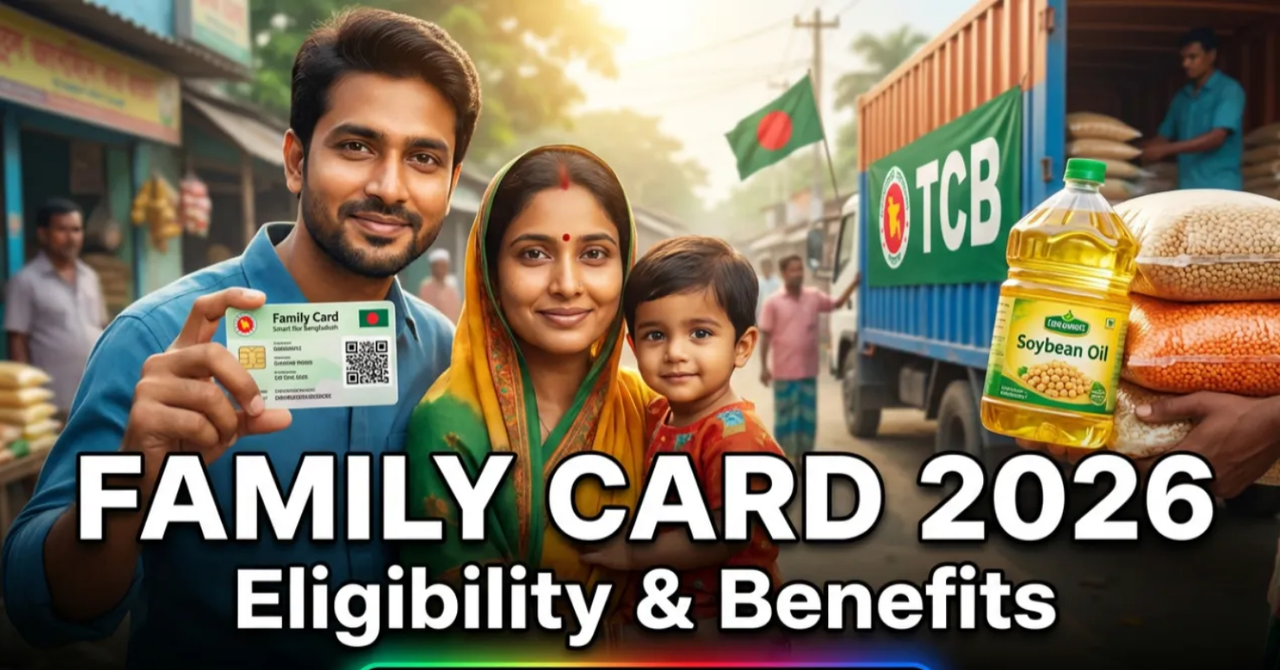
Whenever a new Family Card application process begins, thousands of people rush to gather information. Many families hope the card will help them access essential products, subsidies, healthcare support, or social welfare facilities at affordable rates.
Consider the story of Rahima Begum, a widowed mother living in a rural area. Managing household expenses became difficult after her husband passed away. Food prices continued increasing, and monthly income remained uncertain. When she heard about the Family Card program from a local community representative, she decided to apply. Although the process initially seemed confusing, proper guidance helped her complete the application successfully.
ফ্যামিলি কার্ড আবেদন লিংক
For Rahima, the Family Card became more than a government document—it became a source of relief and stability.
This article explains everything you need to know about Family Card applications, including eligibility requirements, registration process, benefits, necessary documents, common mistakes, and practical tips to improve your application success.
What Is a Family Card?
A Family Card is generally a government-supported identification or assistance card issued to eligible households for accessing various social welfare facilities.
Depending on the program structure, Family Cards may help citizens receive:
- Subsidized food products
- Financial assistance
- Healthcare support
- Social safety benefits
- Emergency relief support
The purpose of the program is usually to support economically vulnerable or middle-income families during challenging economic conditions.
Why Family Card Programs Are Important
Family support programs have become increasingly important worldwide.
Rising Living Costs
Many families struggle with:
- Food inflation
- Healthcare expenses
- Utility costs
- Education expenses
Government support initiatives help reduce financial pressure.
Social Stability
Programs like Family Cards help improve:
- Food security
- Household stability
- Public welfare access
Support for Vulnerable Families
Widows, elderly citizens, low-income workers, and rural households often benefit significantly from such initiatives.
For people like Rahima Begum, the card created a sense of security during uncertain times.
Main Benefits of Family Cards
Benefits vary depending on government policies and programs, but common advantages may include:
Access to Subsidized Food
Cardholders may purchase essential products at reduced prices.
Financial Relief
Programs can help lower monthly household expenses.
Priority Access to Welfare Programs
Some cardholders receive access to additional government support initiatives.
Emergency Assistance
During natural disasters or economic crises, Family Card systems may help distribute relief quickly.
Improved Household Security
Consistent support helps families manage basic needs more effectively.
Who Can Apply for a Family Card?
Eligibility criteria usually depend on government guidelines.
Common eligible groups may include:
- Low-income families
- Day laborers
- Rural households
- Widows and elderly citizens
- Economically vulnerable individuals
- Families without stable income sources
Some programs may also prioritize:
- Female-headed households
- Persons with disabilities
- Families living below poverty levels
👉 Always check official guidelines before applying.
Required Documents for Application
Applicants generally need several important documents.
National ID Card
A valid identification document is usually mandatory.
Passport-Sized Photographs
Recent photos may be required for registration.
Proof of Residence
Utility bills or local certificates may be necessary.
Income Information
Some applications may require proof of financial condition.
Family Information
Details about household members are often needed.
👉 Tip: Keep both photocopies and original documents ready before applying.
Step-by-Step Family Card Application Process
Understanding the process properly can make applications much easier.
1. Collect Information About the Program
Applicants should first learn:
- Eligibility requirements
- Application deadlines
- Registration centers
- Required documents
2. Gather Necessary Documents
Prepare all paperwork carefully to avoid delays.
3. Complete the Application Form
Applications may be submitted:
- Online
- Through local offices
- Via designated community centers
4. Verification Process
Authorities may verify applicant information through field visits or document checks.
5. Approval and Card Distribution
Eligible applicants receive their Family Cards after verification and approval.
Online Application Systems
Many government services are becoming digital.
Advantages of Online Applications
Online systems provide:
- Faster registration
- Reduced paperwork
- Greater transparency
- Easier tracking
Challenges Some Applicants Face
However, many citizens still experience difficulties such as:
- Limited internet access
- Lack of digital knowledge
- Technical issues
Community support centers often help applicants complete online registration processes.
Common Mistakes Applicants Make
Many people unintentionally create problems during applications.
Incorrect Information
Wrong spelling or inaccurate data may cause rejection.
Missing Documents
Incomplete paperwork delays approval.
Duplicate Applications
Submitting multiple applications can create complications.
Ignoring Deadlines
Late submissions may not be accepted.
Rahima carefully checked every detail before submission, which helped avoid unnecessary delays.
Why Proper Verification Matters
Government agencies must ensure assistance reaches the right people.
Preventing Fraud
Verification systems reduce misuse of welfare programs.
Fair Distribution
Accurate information ensures deserving families receive support.
Transparency
Digital and field-level verification improves public trust.
Although verification may take time, it helps maintain program integrity.
How Family Cards Help Rural Communities
Rural households often face greater economic challenges than urban populations.
Limited Employment Opportunities
Seasonal work can create unstable income.
Higher Vulnerability During Disasters
Floods and natural disasters affect many rural communities.
Access to Affordable Products
Family Cards may help reduce household financial pressure significantly.
For many villages, support programs become essential during difficult times.
Social Impact of Welfare Programs
Family Card systems influence society in many positive ways.
Poverty Reduction
Financial support helps vulnerable families survive economic hardship.
Food Security
Access to affordable essentials improves nutrition and health.
Community Stability
Support programs reduce social stress during crises.
Economic Protection
Families can better manage rising living costs.
Programs like these become especially important during inflation or economic uncertainty.
Challenges in Welfare Distribution
Despite positive intentions, some challenges remain.
High Demand
Large numbers of applicants can slow processing.
Administrative Delays
Verification and approval procedures may take time.
Lack of Awareness
Some eligible citizens remain unaware of available support.
Digital Barriers
Online systems may be difficult for elderly or rural applicants.
Improving public awareness and digital accessibility remains important.
Tips to Increase Application Success
Proper preparation can improve approval chances significantly.
Provide Accurate Information
Double-check every detail before submission.
Submit Complete Documents
Missing paperwork often causes delays.
Follow Official Instructions Carefully
Avoid relying on unofficial rumors or incorrect information.
Keep Copies of Everything
Maintain records of submitted forms and documents.
Apply Early
Early applications reduce last-minute stress and technical issues.
Rahima visited a local support center for guidance, which helped her complete the process correctly.
Why Digital Government Services Are Expanding
Governments worldwide are increasing digital public services.
Benefits Include
- Faster processing
- Reduced corruption risks
- Easier record management
- Better transparency
Digital welfare systems can improve efficiency significantly when implemented properly.
Public Awareness and Community Support
Community awareness plays a major role in successful welfare distribution.
Importance of Local Communication
Local leaders and volunteers often help people understand:
- Application requirements
- Deadlines
- Verification procedures
Helping Elderly and Vulnerable Citizens
Many elderly applicants require assistance completing forms or using online systems.
Community cooperation therefore becomes essential.
Future Importance of Social Welfare Programs
Economic uncertainty continues affecting many families globally.
Programs like Family Cards may become increasingly important because they help:
- Protect vulnerable citizens
- Maintain food security
- Support economic stability
- Reduce social hardship
For families struggling financially, these programs can make meaningful differences in daily life.
Key Takeaways
- Family Card programs help support vulnerable and low-income households
- Benefits may include subsidized products and welfare assistance
- Accurate documentation and proper application procedures are essential
- Online registration systems are becoming increasingly common
- Verification processes help ensure fair distribution
- Early preparation improves application success chances
FAQs
1. What is a Family Card?
A Family Card is generally a government-supported welfare or assistance card for eligible households.
2. Who can apply for a Family Card?
Eligibility may include low-income families, vulnerable citizens, widows, elderly individuals, and economically disadvantaged households.
3. What documents are required for application?
Applicants usually need a National ID card, photographs, residence proof, and income-related information.
4. Can Family Card applications be completed online?
Many programs now allow online applications through official government systems.
5. Why are verification procedures necessary?
Verification ensures that support reaches eligible families fairly and transparently.
Conclusion
Family Card programs represent much more than administrative systems—they represent hope, support, and protection for families facing economic challenges.
For people like Rahima Begum, access to government assistance created relief during difficult times and helped restore stability to everyday life. As living costs continue increasing, welfare initiatives remain essential for protecting vulnerable households and maintaining social balance.
Although the application process may sometimes feel complicated, proper preparation, accurate documentation, and patience can significantly improve success chances.
In the end, programs designed to support ordinary families play a powerful role in building stronger communities, reducing hardship, and helping citizens move toward
