
Canada Immigration & Work Permit Guide 2026: Jobs, Salary Trends & PR Application Process
Introduction
Canada continues to be one of the most attractive destinations for skilled professionals in 2026. With updated Immigration Levels Plans and a stronger focus on economic growth, the government is prioritizing applicants who can fill labor shortages in key industries.
For skilled workers, professionals, and international graduates, understanding Canada’s Work Permit and Permanent Residency (PR) pathways is now more important than ever. This guide explains the latest job trends, salary expectations, and step-by-step immigration process for 2026.

1. Category-Based Immigration System in 2026
Canada’s Express Entry system is no longer focused only on CRS scores. Instead, Immigration, Refugees and Citizenship Canada (IRCC) now prioritizes candidates based on occupation categories and labor demand.
Key priority categories include:
- Healthcare Sector: Doctors, nurses, pharmacists, and medical specialists
- STEM Fields: AI engineers, software developers, data scientists, and IT specialists
- Skilled Trades: Electricians, plumbers, carpenters, and construction workers
- Transport & Logistics: Truck drivers, warehouse managers, and supply chain experts
- Agriculture & Food Industry: Farm supervisors and food processing technicians
- French-Speaking Candidates: Applicants with strong French skills (B2 level or higher) receive additional advantages
This system ensures Canada fills urgent workforce gaps while attracting global talent.
2. High-Demand Jobs & Salary Expectations (2026)
Canada offers competitive salaries depending on sector, experience, and location. Below is an overview of key industries:
| Sector | Top Roles | Average Annual Salary (CAD) |
|---|---|---|
| Healthcare | Nurse Practitioner, Specialist Doctor | $90,000 – $220,000 |
| Technology | AI Architect, Cloud Engineer | $105,000 – $175,000 |
| Engineering | Civil Engineer, Mining Engineer | $85,000 – $150,000 |
| Construction | Project Manager, Site Supervisor | $80,000 – $130,000 |
| Logistics | Supply Chain Manager, Transport Director | $70,000 – $110,000 |
These sectors remain the strongest pathways for both work permits and PR applications.
3. Step-by-Step Canada Immigration Process (2026)
A successful Canada immigration application requires careful planning and documentation. Here is the official roadmap:
Step 1: Educational Credential Assessment (ECA)
Your foreign education must be evaluated to meet Canadian standards. Approved organizations include WES (World Education Services) and ICAS.
Step 2: Language Proficiency Test
English or French ability plays a major role in your score. For competitive profiles, aim for:
- IELTS General: CLB 9 or higher
- CELPIP: Strong scores across all modules
- French (TEF/TCF): B2 level or higher
Higher language scores significantly increase your CRS ranking.
Step 3: Create Express Entry Profile
Submit your profile to the Express Entry pool with accurate occupation classification under the TEER system.
Step 4: Apply for Provincial Nominee Programs (PNP)
If your CRS score is not high enough, provinces like Ontario, Alberta, and Saskatchewan can nominate you. A nomination adds 600 CRS points, almost guaranteeing an Invitation to Apply (ITA).
Step 5: Invitation to Apply (ITA) Submission
Once invited, submit all required documents including medical exams, police clearance certificates, and employment records within the deadline (usually 60 days).
4. Financial Requirements & Proof of Funds (2026)
Applicants must show financial stability to support themselves upon arrival in Canada.
- Single Applicant: Around CAD $14,500
- Two Family Members: Around CAD $18,000
- Government Processing Fee: Approximately CAD $1,525 (including PR fee)
These funds ensure you can settle comfortably while starting your career in Canada.
Many people dream of starting a new life in Toronto, Vancouver, Calgary, or Montreal. Some want higher wages, while others seek better career growth or a safer future for their family. Whatever your reason, Canada offers opportunities in healthcare, construction, hospitality, trucking, agriculture, IT, and many other industries.
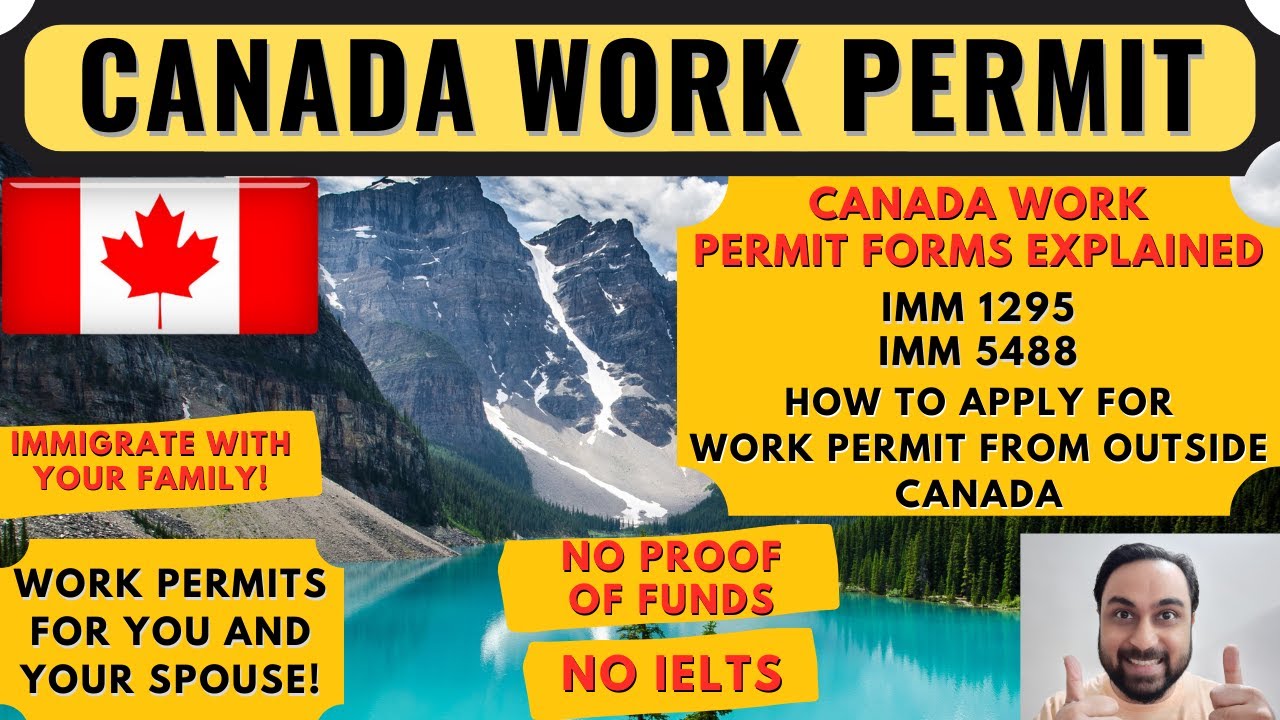
The good news is that applying for a Canadian work permit can be straightforward when you know the process. This complete guide explains everything in simple language—from eligibility and documents to fees, timelines, and expert tips.

Key Takeaways
- Most foreign nationals need a Canada work permit to work legally in Canada.
- Many applicants require a job offer before applying.
- Some jobs need an LMIA (Labour Market Impact Assessment).
- Open work permits allow greater flexibility to work for different employers.
- Correct documents and honest applications improve approval chances.
- Canadian work experience can support future immigration pathways.
Why Work in Canada?
Imagine living in a country with clean cities, excellent healthcare, multicultural communities, and strong labor laws. Canada is consistently ranked among the top countries for quality of life.
Here are some reasons workers choose Canada:
- High earning potential
- Safe and stable environment
- Respectful workplace culture
- Opportunities for career growth
- Chance to bring family in some cases
- Pathways to permanent residence
Canada also experiences labor shortages in several sectors, which creates demand for foreign workers.
What Is a Canada Work Permit?
A Canada work permit is an official authorization that allows foreign nationals to work legally in Canada for a specific period.
It is not always the same as a visa. In some cases, you may also need a visitor visa or electronic travel authorization depending on your nationality.
A work permit tells you:
- Who you can work for
- How long you can work
- Where you can work
- Conditions attached to your stay
Types of Canada Work Permits
Understanding the permit type is important before applying.
Employer-Specific Work Permit
This permit allows you to work for one named employer under specific conditions.
It may mention:
- Employer name
- Job location
- Work duration
If you change jobs, you may need a new permit.
Open Work Permit
This permit allows you to work for many employers in Canada (with some restrictions).
Common examples include:
- Spousal open work permits
- Post-graduation work permits
- Certain special public policies
LMIA-Based Work Permit
Some employers must first obtain a Labour Market Impact Assessment (LMIA). This confirms they need a foreign worker because no suitable local worker was available.
LMIA-Exempt Work Permit
Some jobs and categories do not need LMIA, such as certain international agreements, intra-company transfers, or significant benefit categories.
Who Can Apply for a Canada Work Permit?
You may qualify if you meet conditions such as:
- Valid passport
- Job offer (for many categories)
- Proof you will leave Canada when required
- Sufficient funds
- No serious criminal inadmissibility
- Good health (if required)
- Genuine intention to work legally
Every case is unique, but these are common starting points.
Conclusion
Canada’s 2026 immigration system is highly opportunity-driven, rewarding applicants who align their skills with national labor demands. With strong language scores, correct documentation, and strategic use of Express Entry and PNP pathways, skilled professionals can achieve successful Permanent Residency and build a stable future in Canada.
Frequently Asked Questions (FAQ)
Q1: Is IELTS required for Canada immigration in 2026?
Yes. Most economic immigration programs require IELTS General or CELPIP. A CLB 9 level is recommended for competitive applicants.
Q2: What is the average salary for skilled workers in Canada?
Skilled professionals typically earn between CAD $65,000 and $85,000 annually, while high-demand fields like healthcare and IT can exceed CAD $120,000.
Q3: Can I apply for Canada PR without a job offer?
Yes. Through the Express Entry system, applicants can qualify based on education, experience, language ability, and age without needing a job offer.
Q4: How long does Canada PR processing take in 2026?
Most Express Entry applications are processed within 6 to 8 months after receiving an Invitation to Apply (ITA), provided all documents are complete.
